ITAC-2026-Branding

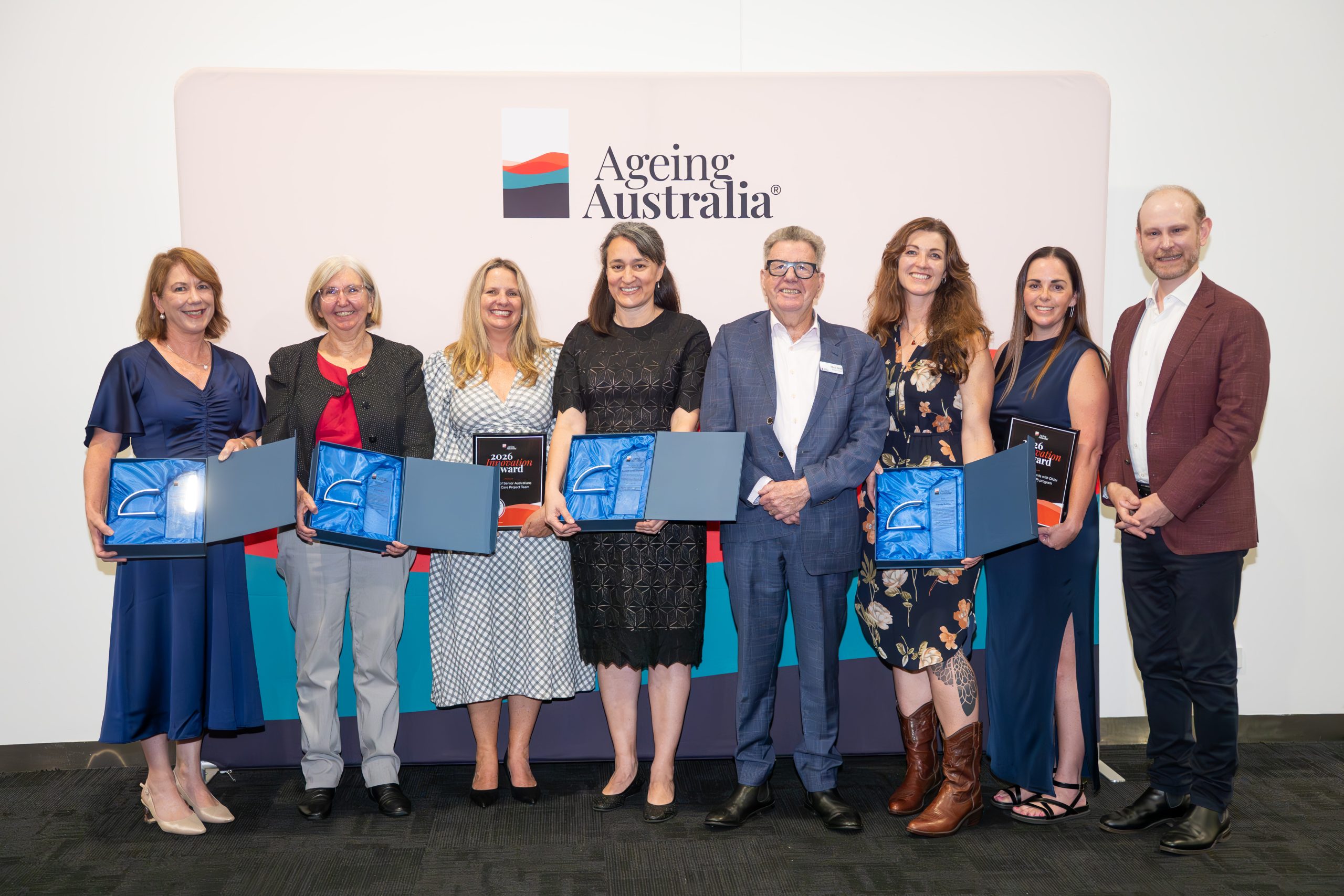
ITAC Awards Finalists 2026

Meet the innovators shaping the future of aged care.
The ITAC 2026 Award Finalists represent some of the most forward-thinking, impactful and inspiring work happening across Australia today – driving real change for older Australians and the sector as a whole.

Join us as we celebrate these outstanding finalists at the ITAC Awards Presentation Dinner in Brisbane. Be there when the winners are announced.

Date: Wednesday 6 May 
Time: 6.30pm for 7pm
Venue: Royal ICC, 600 Gregory Terrace, Bowen Hills, Brisbane

2025-ITAC-Award-Winner

Capacity Building Finalists

Acknowledging exceptional efforts to strengthen the aged care workforce through innovative capacity-building initiatives. These efforts foster a culture of continuous learning and sector-led innovation, ensuring the workforce is prepared to meet current and future challenges with confidence and creativity.
Silverchain’s Foundations in Mental Health initiative addresses a critical gap in aged care by equipping the home care workforce to recognise and respond to depression and anxiety among older Australians. Co-designed with workers, consumers, clinicians and researchers, it is Australia’s first program tailored specifically to in-home care. Delivered through brief, mobile-first microlearning, it builds practical skills in identifying symptoms, using screening tools, having supportive conversations and escalating concerns. Independent evaluation shows improved knowledge, confidence and earlier intervention in practice. Scalable and free to the sector, the program has already reached thousands of workers and organisations. By aligning with the Strengthened Aged Care Quality Standards, it supports safer, more timely and compassionate mental health care at home.
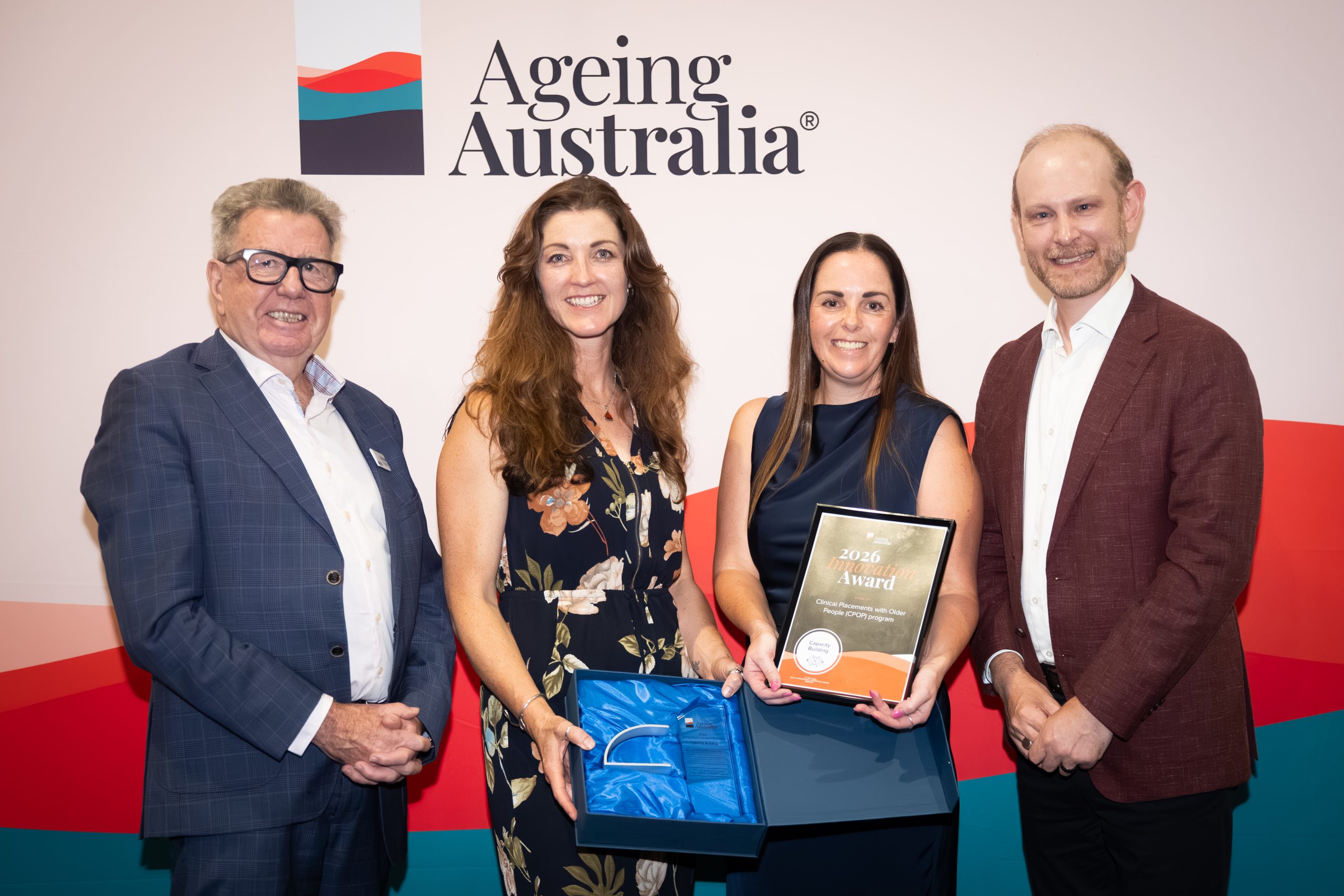
The Clinical Placements with Older People (CPOP) program is a national, university-led initiative transforming how nursing students experience aged care. Addressing workforce shortages and outdated perceptions, CPOP creates high-quality, later-year placements that showcase the clinical complexity and career opportunities in gerontological nursing. Delivered in partnership with eight universities and over 200 care settings, the program combines expert facilitation, evidence-based learning and strong industry collaboration. Since 2023, more than 1,800 students have completed placements, with significant increases in final-year participation and growing interest in aged care careers. CPOP also upskills educators and strengthens supervision across the sector. By reframing aged care as a skilled and rewarding specialty, it is building a more capable, confident and future-ready nursing workforce.
The ANMEC, Action Learning Institute and Kalyra partnership is piloting an innovative workplace-based model for delivering the Certificate III in Individual Support (Ageing). Addressing workforce shortages and barriers to traditional training, the program embeds learning, reflection and assessment into everyday care through person-centred projects. Learners build on existing skills, improving real client outcomes while demonstrating competency. The pilot cohort achieved full completion, with expansion already underway. By reducing time away from care, the model supports service continuity while strengthening workforce capability. AI-enabled tools enhance assessment consistency and visibility of progress. Scalable and adaptable across care settings, this approach aligns training with practice, delivering flexible, high-impact workforce development that improves both staff confidence and quality of care.

Data Insights Finalists

Recognising initiatives using data analytics, data insights or predictive modelling to improve decision-making, enhance outcomes for older people or improve business operations. This category celebrates the power of data in driving evidence based innovation.
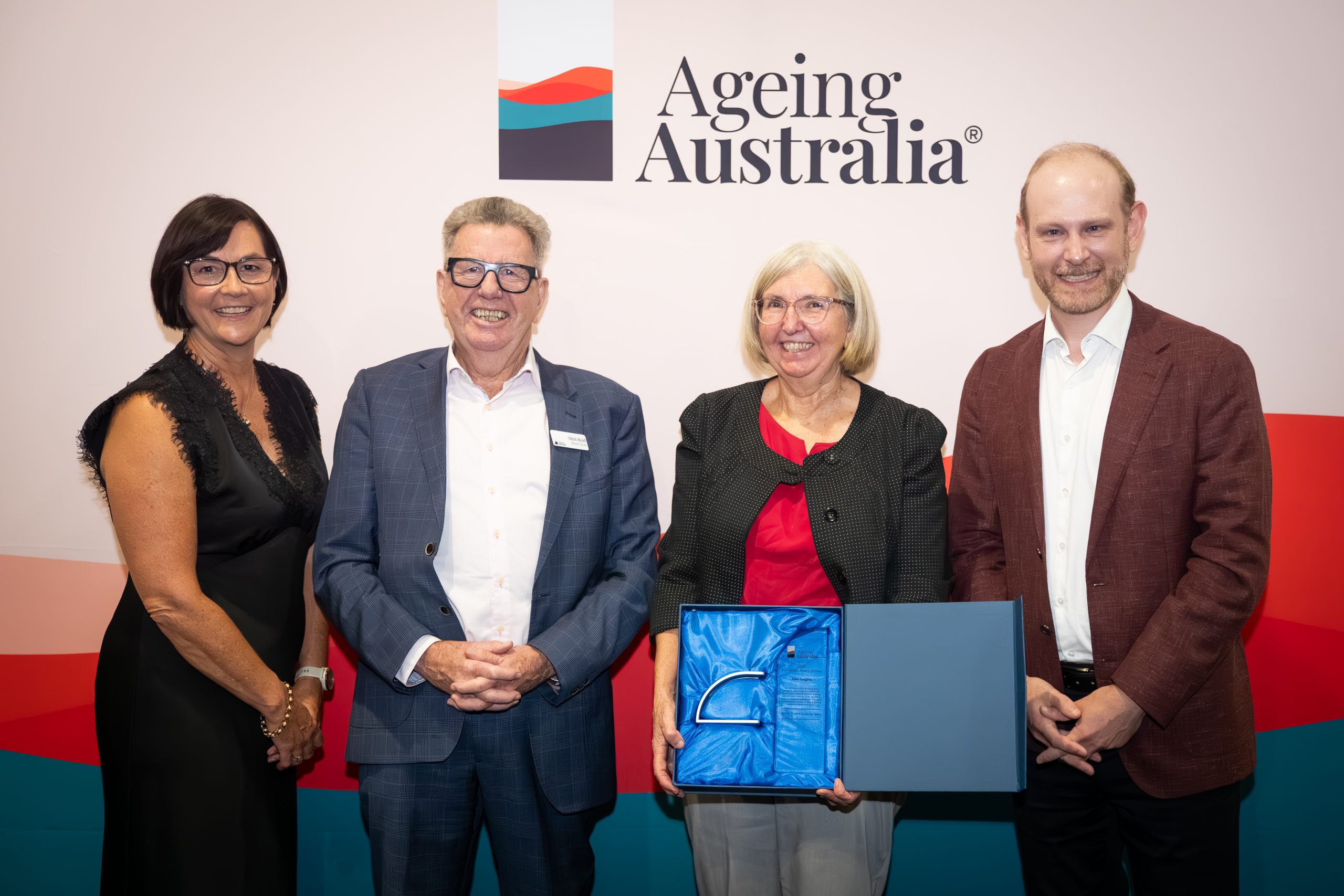

The ELDAC Digital Dashboard, developed by Flinders University, is transforming end-of-life care in residential aged care through the intelligent use of existing data. This purpose-built Power BI tool reorganises routinely collected clinical information into real-time insights aligned with palliative care best practice, without requiring new data or compromising data sovereignty. Supporting frontline staff, managers and boards, it enables earlier identification of end-of-life needs, improves care planning and strengthens governance.
Feros Care’s OPUS platform is transforming workforce stability through predictive, data-driven recruitment. Addressing one of aged care’s most critical challenges—high staff turnover—OPUS uses behavioural science and AI to identify candidates most likely to stay, before they are hired. This five-minute assessment measures motivational commitment and generates candidate-specific insights, interview questions and attrition risk predictions. Early results show 30–50 minutes saved per candidate and 100% alignment with expert HR decisions. By improving hiring precision, OPUS strengthens continuity of care, enabling deeper relationships, greater trust and safer outcomes for clients. Scalable and self-learning, the platform becomes more accurate over time. By shifting recruitment from intuition to evidence, Feros Care is setting a new standard for workforce sustainability and person-centred care.
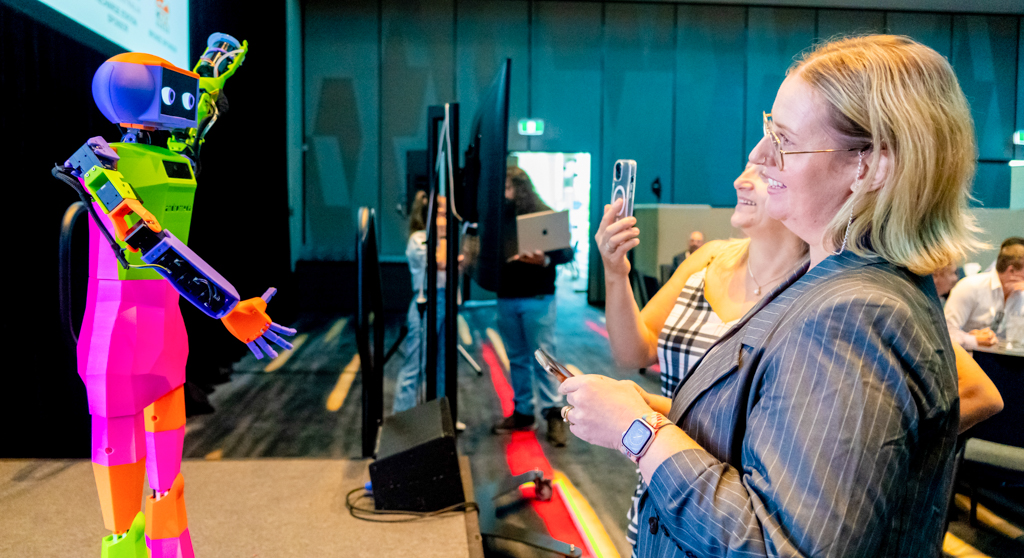
mecwacare’s Technology Transformation Team is redefining aged care through a data-driven, human-centred model that combines predictive analytics with an AI-powered humanoid companion. Addressing the limitations of reactive care, the initiative uses continuous behavioural insights to detect early changes in residents’ health, enabling timely intervention and more personalised support. Complementing this, the humanoid companion enhances social connection, reducing loneliness and improving emotional wellbeing. The approach has led to improved resident outcomes, reduced reliance on routine checks and sedative use, and more meaningful staff engagement. Scaled across multiple sites, the model strengthens decision-making, operational efficiency and care quality. By integrating data intelligence with compassionate interaction, mecwacare is setting a new benchmark for proactive, dignified and future-ready aged care.
2025-ITAC-Conference-woman-laptop-photo
2025-ITAC-Conference-Banner-robot-performing-ordinary-human-job

Research and Development Finalists

Highlighting a commitment to evidence-based innovation, translating research into practical solutions that address current and emerging challenges in aged care. This work exemplifies the transformative power of research and development in shaping the future of aged care.
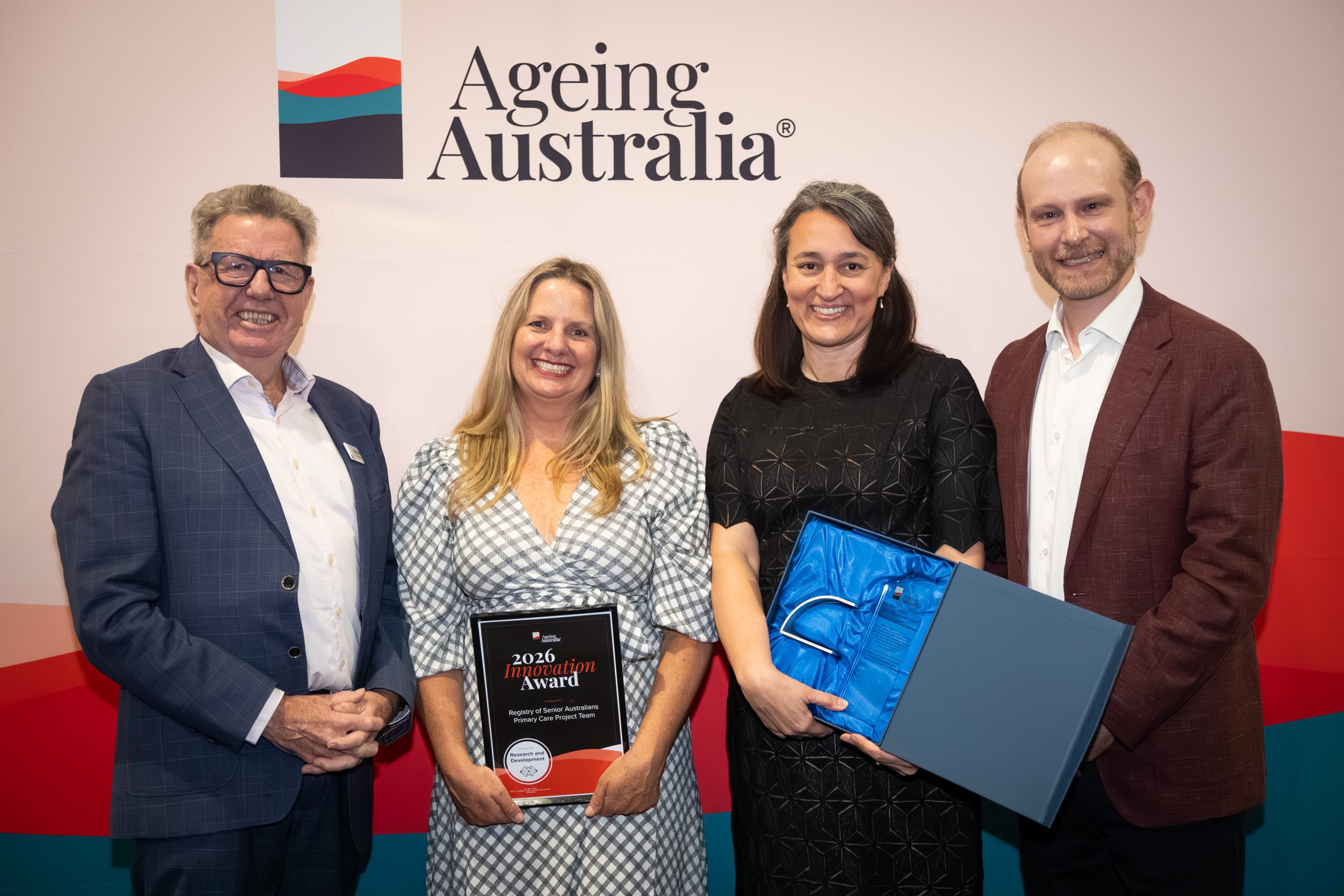
The ROSA Primary Care Team has delivered a landmark five-year national study using linked big data to transform understanding of primary care in aged care. Analysing data from around 480,000 older Australians, the project identified critical gaps in service use, including underutilisation of preventive, mental health and specialist care, alongside significant regional variation. It demonstrated that continuity of care and preventive service use are strongly linked to reduced hospitalisations and mortality. Co-designed with over 50 stakeholders, findings have directly informed national policy, clinical guidance and reform discussions. As the first comprehensive study of its kind, it provides a powerful evidence base to strengthen integration between health and aged care systems, supporting safer, more coordinated and outcomes-focused care for older Australians.
Project Thrive was developed in partnership with Macquarie University and the Royal Freemasons' Benevolent Institution. It is a research-driven workforce resilience initiative designed to strengthen staff wellbeing and retention in residential aged care. Addressing burnout, stress and high turnover, the program embeds structured self-reflection and resilience practices into everyday workplace routines across 16 aged care villages. Reaching over 850 employees and 114 managers, it demonstrated significant improvements in mental health, job satisfaction and organisational commitment. Importantly, participating sites experienced a 27.7% reduction in staff turnover, contributing to improved continuity of care and an estimated $780,000 in annual savings.
BestCARE, led by Whiddon in partnership with Talius Group Ltd and evaluated through a CSIRO research project, is an innovative, data-driven approach to falls prevention in residential aged care. Addressing the limitation of reactive nurse call systems, BestCARE uses passive ambient and wearable sensors combined with machine learning to predict fall risk before incidents occur. Deployed at Arthur Webb Court in Sydney, the system captures continuous behavioural data such as sleep patterns, movement, bathroom activity and location tracking across multiple zones. An LSTM predictive model analyses these signals to estimate individual fall probability, enabling earlier intervention. The study demonstrated promising predictive capability and strong staff support, while enhancing resident safety, dignity and continuity of care. By shifting from reactive alerts to proactive insights, BestCARE represents a scalable, evidence-based model for reducing falls and improving outcomes in aged care.
2025-ITAC-Conference-robot-photo
2025-ITAC-conference-innovation-photo

Technology transformation finalists

Honours visionary use of technology to drive meaningful change in aged care. It demonstrates how technology can be a powerful enabler of continuous improvement, smarter service delivery and better outcomes for older Australians.
ECH Inc’s AI Care Plan initiative is transforming care planning through the use of natural language processing and machine learning to automatically generate personalised, compliant care plans in under one minute. Addressing the inefficiencies and inconsistencies of manual, time-intensive documentation, the system integrates multiple data sources to produce comprehensive, standardised plans that reduce the risk of missing critical information. The solution improves care quality, enhances wellbeing data capture, and strengthens compliance with aged care standards, while significantly reducing administrative burden on care partners. Developed with technology partners BJSS/CGI and hosted on AWS, the platform is scalable, secure, and already in use across the organisation. By freeing staff from repetitive documentation, it enables more time for meaningful client interaction and supports more consistent, person-centred care aligned with future aged care reforms.
Uniting NSW.ACT’s digital transformation initiative centres on its generative AI platform, “buddy,” developed by Uniting NSW.ACT in collaboration with Microsoft. The platform addresses the heavy administrative burden on aged care workers by streamlining documentation and system access. Using voice-to-text technology, staff can record progress notes in multiple languages, which are then translated into English and automatically integrated into clinical systems, reducing manual entry. Buddy also acts as a single “digital front door” to enterprise systems and provides instant access to policies and procedures via a ChatGPT-style interface. This reduces time spent on administrative tasks, improves onboarding, enhances compliance, and enables staff to focus more on delivering quality, person-centred care, ultimately improving workforce efficiency and care outcomes.
The Optimising Aged Care Transfers project team, led by Monash University, addresses critical gaps in information sharing during transitions between residential aged care and hospitals. These transitions are high-risk periods, yet essential clinical details—such as medications, diagnoses, and baseline function—are often incomplete or missing across settings, contributing to preventable hospitalisations and readmissions. To address this, the team co-designed a digital health summary in partnership with aged care providers, hospitals, ambulance services, general practice, and consumers. The platform provides a single, structured, and accessible view of resident health information, integrated with existing systems and accessible across roles. By improving timely access to accurate data, the initiative enhances clinical decision-making, supports safer transfers, reduces hospital use, and strengthens continuity of care for aged care residents.
JessieConnect, developed by Australian Catholic University in partnership with BaptistCare, Microsoft, and others, is a wearable AI-enabled solution designed to reduce the administrative burden on aged care workers. It addresses the challenge of time-consuming, retrospective documentation that contributes to staff burnout, errors, and reduced time for direct resident care. JessieConnect captures structured data in real time during care delivery, integrating seamlessly with existing care management and reporting systems. This enables staff to document at the point of care rather than after the fact, improving accuracy, compliance, and efficiency. By supporting diverse accents and multilingual staff, it also promotes inclusivity. The initiative ultimately allows care workers to spend more time engaging with residents, strengthening human connection while maintaining high-quality, compliant documentation and improving overall care outcomes.

Join us to celebrate innovation, technology and sector initiatives at the 2026 ITAC Awards
Presentation Dinner

Email [email protected] to purchase tickets to attend the dinner.