
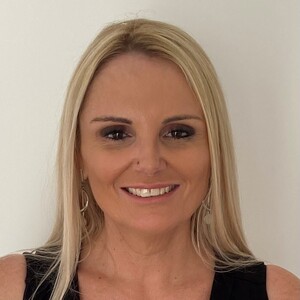
Drawing on more than 20 years of leadership experience across the aged care, disability, community services and human services sectors, Kat Karlovecz is a highly accomplished service management professional with a strong focus on quality, compliance, strategic growth, and person-centred service delivery.
As CURA Service Manager, she leads aged care and NDIS operations, driving strategic initiatives, stakeholder engagement, and service development to enhance outcomes for older Australians. Kat is particularly passionate about delivering inclusive, culturally responsive services that support the diverse needs of multicultural communities. She actively promotes equity, accessibility, and meaningful engagement, ensuring services are welcoming and responsive to people from a wide range of cultural and linguistic backgrounds.
Kat holds a Bachelor of Education (Habilitation), multiple business and human resources qualifications, and extensive expertise in operational leadership, governance, risk management, and workforce development. Recognised for her collaborative leadership style and commitment to continuous improvement, she is dedicated to building sustainable, high-quality services that strengthen community connection and improve the wellbeing of older people.
Together We Can – Creating Belonging for Culturally Diverse Older Australians
Australia’s ageing population is becoming increasingly culturally and linguistically diverse. While considerable effort has been invested in improving access to aged care services, the experience of belonging remains an often-overlooked factor influencing wellbeing, participation and quality of life for older people from multicultural backgrounds.
For many older migrants and refugees, ageing is shaped by more than physical health or care needs. It can involve separation from family networks, language barriers, changing cultural connections, reduced social participation and challenges navigating unfamiliar systems. While services may be available, many individuals continue to experience loneliness, exclusion and a diminished sense of connection to the communities around them.
Through its work supporting multicultural communities across the Gold Coast and beyond, MCCGC has observed that positive ageing outcomes are strengthened when people feel seen, understood and connected. Belonging is not simply a social concept. It is closely connected to confidence, wellbeing, resilience and a person’s willingness to engage with support services and community life.
This presentation explores the relationship between cultural identity, connection and healthy ageing. It examines the factors that contribute to a sense of belonging, including language, culture, faith, family, community participation and trusted relationships. It also considers the barriers that can prevent culturally diverse older people from fully engaging with services and opportunities available to them.
Importantly, the session moves beyond identifying challenges to explore practical solutions. Drawing on community experience and partnerships across the multicultural and aged care sectors, it will highlight approaches that strengthen inclusion and build trust. These include community-led engagement, culturally responsive service delivery, partnerships between mainstream and multicultural organisations, and initiatives that create opportunities for meaningful participation and connection.
The presentation invites delegates to consider belonging as a core element of quality care and quality of life. It challenges providers, policymakers and community leaders to think beyond service access and focus on the broader experience of ageing within diverse communities.
The future of aged care will be shaped not only by the services we provide, but by whether people feel welcomed, respected and connected within the communities they call home. Together we can create environments where every older Australian, regardless of language, culture or migration journey, has the opportunity to age with dignity, purpose and a genuine sense of belonging.