
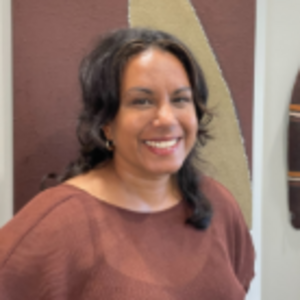
Leonie is a descendent of the Butchulla and Gubbi Gubbi with family ties to north-west Queensland. Leonie has extensive experience working in Indigenous policy and programs for both government and Aboriginal and Torres Strait Islander organisations. Policy areas she has been involved in include truth telling, Aboriginal and Torres Strait Islander community control and leadership and the cultural determinants of health and wellbeing. Leonie holds a Bachelor of Arts (Politics) and recently completed her Masters of Applied Epidemiology with a thesis exploring ‘health, healing and empowerment – epidemiology for community policy makers’ and has a passion for ways that we can change the way policy conversations and decisions are made.
Understanding the Needs of Ageing Stolen Generations Survivors: Updated AIHW Data for Aged Care Policy and Practice
Stolen Generations Survivors are now ageing within aged care, health and disability systems that must understand and respond to their distinct life experiences, needs and strengths. Updated national demographic and socioeconomic analysis provides an important opportunity to better connect aged care policy, service planning and practice with the realities facing Survivors and their descendants.
This presentation shares findings from updated national analyses by the Australian Institute of Health and Welfare (AIHW), drawing on ABS national survey data from 2022-23 to provide contemporary estimates of Stolen Generations Survivors and descendants, and insights into their demographic profile, health, wellbeing and socioeconomic outcomes.
The AIHW analysis estimates there were at least 23,300 Stolen Generations Survivors in 2022–23, representing 1 in 7 Aboriginal and Torres Strait Islander people aged 50 and over. Nearly one-third were aged 65 and over, and many experience higher levels of disability, psychological distress, hospitalisation and socioeconomic hardship. These findings point to the need for aged care policy, planning and practice that recognises both increased care complexity and the enduring importance of culture, identity, family, community and connection to Country.
Findings show Survivors experience significantly higher rates of disability, psychological distress, chronic health conditions and socioeconomic disadvantage compared with other Aboriginal and Torres Strait Islander people. Updated findings also point to ongoing intergenerational impacts for descendants, highlighting the continuing influence of trauma and disadvantage across families and communities.
For aged care providers, these findings have important implications. Higher rates of disability and chronic illness suggest increased complexity of care needs, while experiences of trauma, loss and cultural disconnection reinforce the importance of culturally safe, trauma-informed approaches. The evidence highlights the need for workforce capability development, integrated service responses and care models that recognise the unique experiences of Survivors.
The findings demonstrate that the impacts of forced child removal continue into later life and continue to shape contemporary health, wellbeing and service needs. As more Stolen Generations Survivors engage with aged care, disability and health systems, providers require evidence-informed approaches that strengthen cultural safety, support healing and respond to the diverse experiences of Survivors and their families. These findings provide an important foundation for service planning, workforce development and improved outcomes for older First Nations people.