
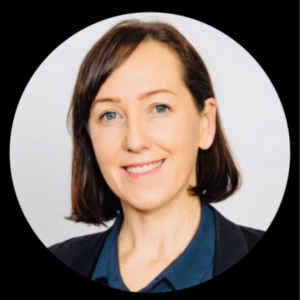
Nicole is an experienced health and aged care leader with more than 15 years of leadership experience across hospital, community and residential aged care services, including rural, regional and remote settings. Currently Regional Clinical Services Manager for OneCare’s North West Tasmania Precinct, she provides clinical leadership for 178 residential aged care beds and approximately 300 staff. Her career has focused on developing innovative, person-led and collaborative models that improve quality of life and outcomes for older people. She has extensive expertise in clinical governance, dementia care, service redesign, quality improvement, workforce and financial management, aged care compliance and strategic partnerships. A passionate advocate for older people living in regional areas, Nicole is committed to ensuring individuals receive the equitable support, resources and opportunities needed to live their best lives. She is currently completing a Master of Business Administration and holds tertiary qualifications in nursing, exercise science and dementia care.
Geriatrician in Residential Aged Care (G-RAC) Pilot Program – OneCare Umina Park
Older people living in residential aged care in Tasmania’s North West region have limited access to specialist geriatrician support, creating challenges for services, general practitioners (GPs), older people, supporters and multidisciplinary teams (MDTs). OneCare Umina Park has identified a growing number of residents referred with cognitive decline and/or impairment without a formal diagnosis of dementia, alongside evidence of both under- and over-diagnosis. The service also supports older people living with dementia who experience changed behaviours, with some requiring restrictive practices and psychotropic medications. In several cases, medications commenced prior to admission continue without specialist review, highlighting opportunities for improved prescribing and deprescribing.
The Geriatrician in Residential Aged Care (G-RAC) pilot was developed as a partnership and collaboration model to provide specialist geriatrician input directly within residential care while strengthening the capability of GPs to manage complexity associated with dementia and other geriatric conditions. Rather than relying on episodic specialist consultations, the model uses shared reviews and case conferencing to support comprehensive, person-centred assessment and collaborative clinical decision-making. Key objectives include strengthening diagnostic pathways for dementia and cognitive impairment, supporting medication reviews and deprescribing, guiding responses to changed behaviours and restrictive practices, and assisting with supported decision-making assessments and complex care planning across settings.
Following two G-RAC visits, engagement from GPs, older persons and supporters was high. The geriatrician has participated in 56 shared consultation reviews and 25 case conferences, with 95% of recommendations implemented by GPs and care teams. Early outcomes have demonstrated the value of timely specialist advice in supporting diagnostic clarification, medication management, care planning and more appropriate responses to complex clinical presentations, resulting in improved quality of life. Quality indicators including restrictive practices and polypharmacy have also improved. The shared approach has also improved communication between clinicians, residents and supporters, enabling earlier review of concerns and enhanced coordinated care planning across the care eco-system as a whole.
The pilot demonstrates the potential of a collaborative geriatrician-GP model to build confidence, knowledge and capability within residential aged care while ensuring continuity of care and person-led supported decision-making. Importantly, the model aims to strengthen the existing workforce rather than substitute specialist input for primary care. As demand for dementia and complex aged care continues to increase across regional Tasmania, this partnership approach may provide a sustainable and scalable framework for improving care collaboration and access to specialist-informed care while supporting quality, safety and promoting person-centred outcomes for older people.