
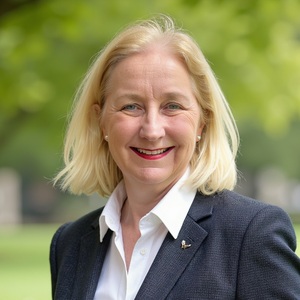
Samantha Sharp is a recognised leader in aged care reform, Aboriginal community-controlled health services and system transformation, with over 25 years of experience across health, aged care, community services and government. She currently provides executive leadership at Dhauwurd-Wurrung Elderly and Community Health Service (DWECH), supporting the delivery and reform transition of aged care, Social and Emotional Wellbeing, medical and community services for Aboriginal people in south-west Victoria.
In addition to her role at DWECH, Samantha is a Partner with Disruptive Hive, advising aged care providers, Aboriginal Community Controlled Organisations and government agencies on strategy, governance, reform implementation and sustainable service models.
Samantha is a passionate advocate for ensuring aged care reform delivers on its promises of self-determination, cultural safety and equity for First Nations peoples. Her work focuses on the intersection of policy, practice and community control, helping organisations navigate change while strengthening outcomes for Aboriginal Elders, families and communities.
Choice Without Access: The Next Failure Point in Australia’s Aged Care Reforms
Australia’s aged care reforms seek to deliver greater choice, stronger rights and improved outcomes for older Australians. For First Nations Elders, however, a critical question remains largely absent from national reform discussions: what happens when people have a theoretical choice of provider but cannot access care through organisations they trust?
This presentation explores an emerging risk within Australia’s aged care reform agenda: the growing gap between consumer choice and genuine access for First Nations people. While policy settings continue to emphasise choice, flexibility and market-based service delivery, many Aboriginal Community Controlled Organisations (ACCOs) face significant challenges associated with workforce availability, service viability, scale and thin market conditions. The consequence is that First Nations Elders may have the right to choose culturally safe care but limited ability to exercise that choice in practice.
The presentation will challenge a core assumption underpinning reform: that increased provider choice automatically leads to improved consumer outcomes. Drawing on experiences from Aboriginal community-controlled service delivery, aged care reform implementation and Closing the Gap policy objectives, the session will examine why access, trust and cultural safety are equally important measures of success.
Delegates will be introduced to a practical framework that distinguishes between:
Choice on paper and choice in practice.
Cultural safety as a quality measure and cultural safety as an access measure.
Market efficiency and community trust.
Service sustainability and self-determination.
The presentation will explore how current reform settings may unintentionally disadvantage rural, regional and Aboriginal community-controlled providers, and what this could mean for the future of First Nations aged care. It will also identify practical actions that governments, commissioners, providers and sector leaders can take to strengthen access pathways, support Aboriginal community control and ensure reform outcomes align with Closing the Gap commitments.
Rather than asking whether reform is creating more options, this session asks a different question: are First Nations Elders genuinely able to access the options they value most?
The presentation argues that the long-term success of aged care reform will not be determined solely by funding models, compliance frameworks or assessment pathways. It will be determined by whether First Nations Elders can continue to receive care through organisations that understand their communities, respect their cultural identity and support their right to age on Country, remain connected to culture and exercise genuine self-determination.