
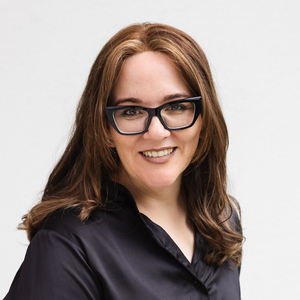
Tamar Krebs is the founder of Videri Australia and a trailblazer in dementia care innovation, with nearly 30 years of experience across Australia and internationally. As Chief Experience Officer, she continues to innovate and lead the care and delivery teams with heart and purpose, shaping family experiences, and ensuring every resident lives with dignity, connection, and meaning.
Demystifying Dementia After Diagnosis: Outcomes and Lessons from Rementia Together
A dementia diagnosis leaves many people and families with one overwhelming question: what happens now?
Rementia Together was created to help answer it. Designed for people living with the earlier stages of dementia and their support partners, the program is an immersive five-day retreat that creates the time, space and support to understand the diagnosis, build practical skills, connect with others and feel more confident about what comes next.
The retreat is held in an ordinary home rather than a clinical or conference setting. That choice reflects the same belief that underpins Videri’s small-home model: a familiar, domestic environment changes what feels possible for people living with dementia. Up to five people attend alongside their support partners. Specialist education is paired with practical conversations about communication, cognitive strategies, the needs that drive distress, relationships, carer self-care, brain health, the home environment, community support and planning for the future. Just as importantly, participants eat together, share experiences and build relationships with others on a similar path. The aim is not more information, but for each pair to leave with greater clarity, connection and a plan they can take home.
Outcomes across 59 post-retreat responses point to real change. Support-partner confidence in supporting their loved one averaged 4.39/5, with 88.1% rating their confidence 4 or 5. Satisfaction averaged 4.90/5 and comfort 4.83/5. Across more than 100 qualitative responses about what participants valued most, recurring themes included connection with people who understood, feeling less alone, practical knowledge, greater preparedness and renewed confidence about the future.
Three years of delivery have also taught us that post-diagnosis support cannot be a one-off intervention. Connection needs to continue, skills need reinforcement, and families need support as circumstances change.
For the wider sector, the model offers transferable principles: delivering to the dyad rather than the individual, small groups in a home rather than a clinical setting, peer connection treated as a core outcome rather than a by-product, and support designed to extend beyond the program itself.
With Australian Government funding now renewed, this presentation will share Rementia Together’s outcomes and lessons, and how providers can apply them to help people and families move forward with greater confidence, capability and connection.